Before the war storm
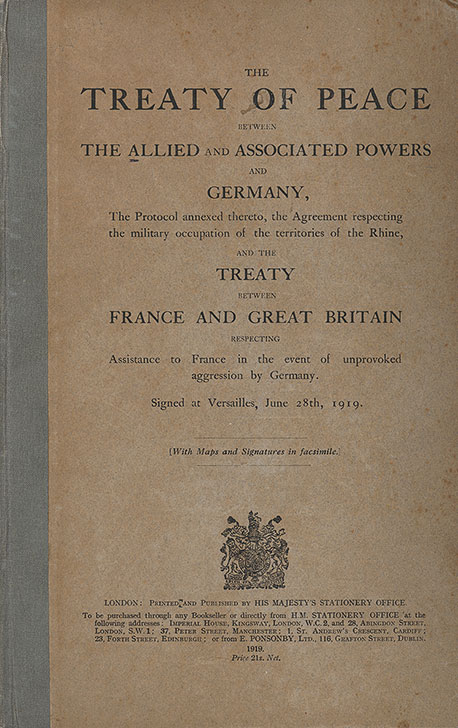 Polish authorities initially believed that the main threat to the independence of the state is the possibility of aggression by the USSR. The other of the great neighbours of Poland, Germany, under the provisions of the Treaty of Versailles, for a long time had only a 100,000-strong army, which hardly had any heavy weapons. In the event of a conflict with its western neighbour, Poland could count on military assistance, guaranteed by its alliance with France.
Unequal struggle
In the early hours of 1 September 1939, without declaring war on Poland, Germany attacked along the whole length of the border between the two countries. Artillery barrage laid down on a Polish military transit depot by Schleswig-Holstein, a German battleship, has become a symbolic opening of the Second World War. Polish soldiers, though heavily outnumbered, resisted heroically from the outset. In the North, a thrust of German armoured formations defeated several Pomorze Army units in Bory Tucholskie, and then crushed the Modlin Army, despite the latter’s initial successes near Mława. 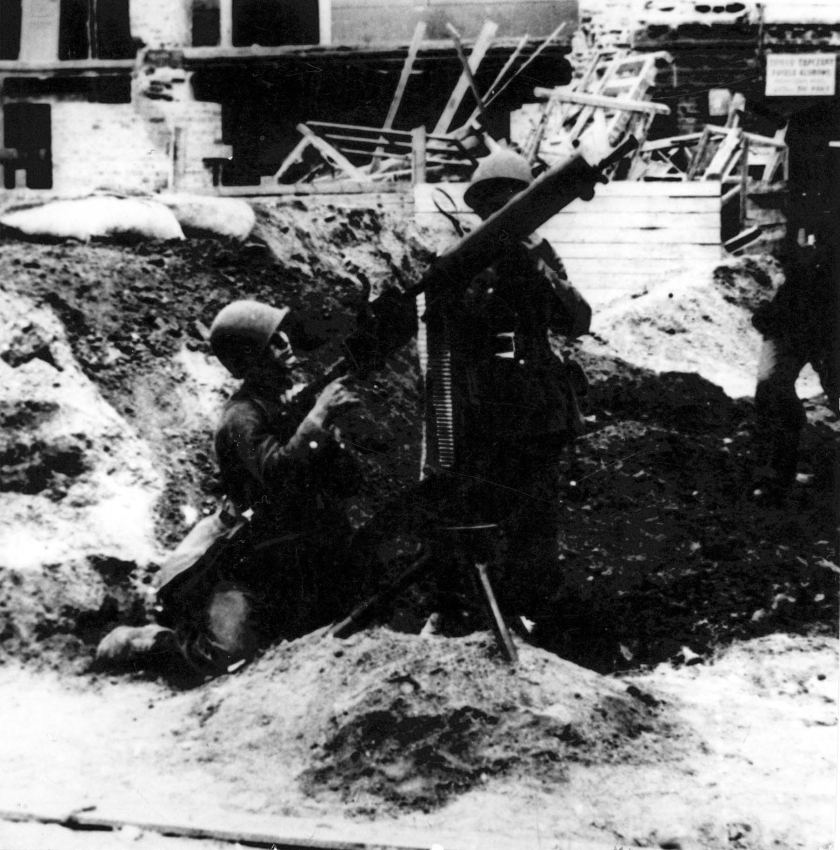 Meanwhile, the Wołyńska Cavalry Brigade achieved a remarkable local victory on the western front, inflicting heavy losses on a German armoured division at the Battle of Mokra. In the South-West, the Germans forced the Kraków Army to pull back in the first days of the war, capturing Silesia, crossing the Carpathian Mountains and overcoming Polish forces, weak in the region. Once regular Polish troops withdrew from Silesia, local self-defence units stood up to fight; this true ″salt of the black earth”, formed of Silesian insurgents and scouts, defended a number of cities, among them Katowice and Chorzów.
A total war
Following Adolf Hitler’s and orders transmitted by various levels of military command, German troops engaged in a ruthless, total war that targeted civilians as well as troops. German air force did not restrict itself to bombing military targets and transportation routes, but carried out terrorist raids against towns and cities where no army or industrial facilities were located – such as Wieluń, destroyed on the first day of the war. 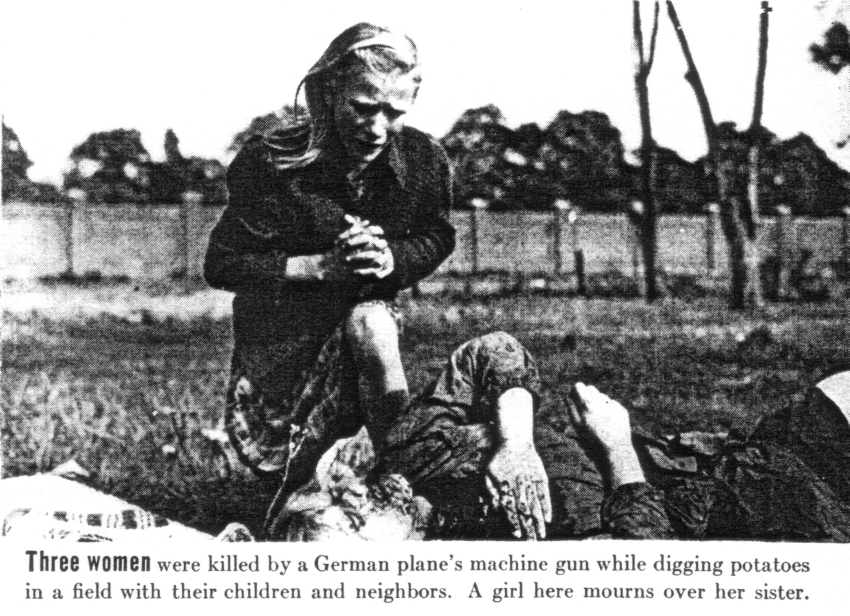 Also refugees fleeing war zones fell victim to attacks by German airmen. In Greater Poland and Silesia many self-defence members taken prisoner were murdered, and so were the defenders of Gdańsk Post Office in October 1939.